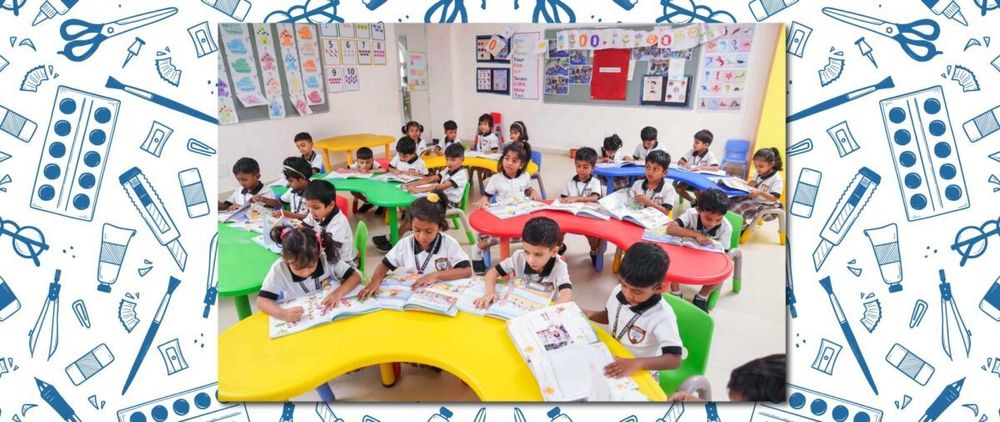
What is Kindergarten in India? A Parent’s Guide to Kindergarten Admission

3 mins read
What is Kindergarten in India? A Parent’s Guide to Kindergarten Admission
QUICK SUMMARYReviewed by Academic Team

Kindergarten is much more than learning alphabets and numbers. It helps children build confidence, communication skills, independence, and emotional readiness before primary school. The best schools for kindergarten balance play-based learning with structured academics while creating a safe and engaging environment for children. During kindergarten admission, parents should focus less on academic pressure and more on finding the right fit for their child’s personality and development.

Choosing a kindergarten is one of the first major educational decisions parents make for their child. And naturally, most parents start with the same question: what is kindergarten, and how do you know if your child is ready for it?

Many people assume kindergarten is simply where children learn ABCs and numbers. But in reality, kindergarten is where children develop the emotional, social, and communication skills that shape how they learn for years to come.

A good kindergarten does far more than prepare children academically. It helps them become confident, independent, curious learners who can adapt to school life comfortably.

What is Kindergarten?

Kindergarten is a structured early learning stage designed for children between 4 and 6 years old before they enter primary school. In India, kindergarten is usually divided into two levels: Lower Kindergarten (LKG) and Upper Kindergarten (UKG).

This stage bridges the gap between preschool and formal schooling. While preschool focuses more on play and exploration, kindergarten gradually introduces routines, classroom structure, foundational literacy, numeracy, and social learning.

Most parents assume kindergarten is mainly about academics. However, experts consistently point out that emotional readiness, communication skills, and social development matter just as much as early reading and writing.

Kindergarten Age and Admission in India

Most schools in India follow this general structure:

  • Nursery: 3 to 4 years
  • LKG: 4 to 5 years
  • UKG: 5 to 6 years

Kindergarten Admission Criteria

Many parents focus heavily on whether their child can already read or write before kindergarten admission. In reality, true readiness is much broader.

A child who can:

  • Communicate needs confidently
  • Follow simple instructions
  • Interact with peers
  • Manage basic routines independently

is often more prepared for kindergarten than a child with only academic exposure.

Schools may also assess social comfort, emotional regulation, and classroom adaptability during the admission process.

Why is Kindergarten Important?

Kindergarten builds the foundation for how children approach learning, relationships, routines, and problem-solving throughout school life.

Skill Development

One of the biggest misconceptions parents have is believing kindergarten is only academic. In reality, children learn how to collaborate, share, solve problems, and become independent.

Experts consistently identify these soft skills as long-term indicators of future success.

Communication Skills

Children learn how to express emotions, ask questions, participate in conversations, and communicate confidently with both teachers and classmates.

Strong communication skills often help children transition more comfortably into primary school environments.

Discipline and Routine

Daily schedules like circle time, snack breaks, classroom responsibilities, and activity transitions help children build structure and consistency.

These routines strengthen executive functioning skills like focus, attention, and self-management.

Motor Skills

Activities like coloring, cutting paper, clay play, running, and jumping support both fine and gross motor development.

These physical skills are essential for writing readiness, coordination, and confidence.

Academic Foundation

Kindergarten introduces:

  • Letter recognition
  • Phonics
  • Numbers and counting
  • Shapes and patterns
  • Early reading and writing

The best programs teach academics through interactive and hands-on learning rather than pressure-driven memorization.

School Readiness

Children who have never experienced structured group settings often struggle with cooperation, turn-taking, and peer interaction during the early school years.

Kindergarten helps children become emotionally and socially prepared for formal schooling.

Stages of Kindergarten in India

Lower Kindergarten (LKG)

LKG introduces children to basic classroom routines, early literacy concepts, social interaction, and guided play-based learning.

The focus remains on exploration, confidence-building, and emotional comfort.

Upper Kindergarten (UKG)

UKG gradually becomes more structured and prepares children for Grade 1 through foundational reading, writing, math, and problem-solving activities.

At this stage, children also develop stronger independence and classroom discipline.

EXPERIENCE AACHI FIRSTHAND

The Campus will Speak for itself

Experience our Cambridge classrooms, state-of-the-art labs, and vibrant student life in person - then take the next step with confidence.

What Do Kids Learn in Kindergarten?

A quality kindergarten curriculum focuses on holistic development rather than academics alone.

Language and Literacy

Children build:

  • Vocabulary
  • Listening skills
  • Phonics awareness
  • Storytelling abilities
  • Early reading habits

Early Math Skills

Children are introduced to:

  • Counting
  • Number recognition
  • Sorting
  • Shapes
  • Patterns
  • Basic comparisons

These concepts are usually taught through playful activities and games.

Social and Emotional Skills

This is one of the most important aspects of kindergarten learning.

Children develop:

  • Cooperation
  • Empathy
  • Teamwork
  • Emotional regulation
  • Conflict resolution

Teachers with years of classroom experience consistently observe that structured play opportunities help children build social skills that home environments alone cannot fully teach.

Cognitive and Creative Skills

Imaginative activities, storytelling, group projects, and collaborative play strengthen creativity, curiosity, and problem-solving abilities.

Research around play-based learning repeatedly shows that children learn best when exploration and creativity are encouraged naturally.

Kindergarten vs Preschool

Parents often use these terms interchangeably, but they serve different purposes.

Preschool

Preschool focuses more on:

  • Play-based exploration
  • Emotional comfort
  • Basic communication
  • Social adjustment

Kindergarten

Kindergarten introduces:

  • School readiness
  • Structured routines
  • Foundational academics
  • Independence
  • Social-emotional learning

Children who attended preschool often adjust faster socially because they are already familiar with group environments and routines.

How to Choose Schools for Kindergarten

Parents often feel overwhelmed during kindergarten admission season because of rankings, infrastructure, and marketing pressure.

However, choosing the right environment matters far more than choosing the most academically intense school.

Curriculum and Teaching Style

The best schools for kindergarten balance:

  • Play-based learning
  • Academic readiness
  • Creativity
  • Social development

Overly rigid or pressure-driven classrooms may not support healthy early childhood development.

Teachers and Learning Environment

When visiting schools for kindergarten, observe how teachers interact with children.

The teacher’s role should not simply be giving instructions. Great kindergarten teachers encourage curiosity, motivate children, and create emotionally safe learning environments.

In many cases, teacher-child interaction matters far more than fancy infrastructure.

Public vs Private Schools

Both public and private schools can provide excellent kindergarten education.

Instead of focusing only on brand names, parents should evaluate:

  • Student-teacher ratio
  • Classroom environment
  • Emotional support
  • Teacher quality
  • Learning approach

The best school is the one where your child feels safe, engaged, and excited to learn.

Supporting Kindergarten Learning at Home

Final Thoughts

Parents play a major role in helping children transition smoothly into kindergarten.

Simple activities can make a big difference:

  • Reading together daily
  • Encouraging independence
  • Arranging playdates
  • Practicing routines
  • Limiting excessive screen time

One of the best pieces of advice for parents is to stop trying to academically “train” children for kindergarten.

Instead, focus on helping them:

  • Play well with others
  • Communicate confidently
  • Manage emotions
  • Ask for help independently

These skills create stronger long-term learning success than early academic pressure.

Common Queries

Frequently Asked
& Real Answers

Kindergarten in India is a pre-primary education stage for children aged 4 to 6 years. It usually includes LKG and UKG and prepares children for formal schooling through academic, social, and emotional development.
PREPARING STUDENTS FOR LIFE

Your Child's Future Starts Here

At Aachi Global School, we go beyond grades - building leaders, thinkers, and confident global citizens from Nursery to Grade XII. Let's begin together.