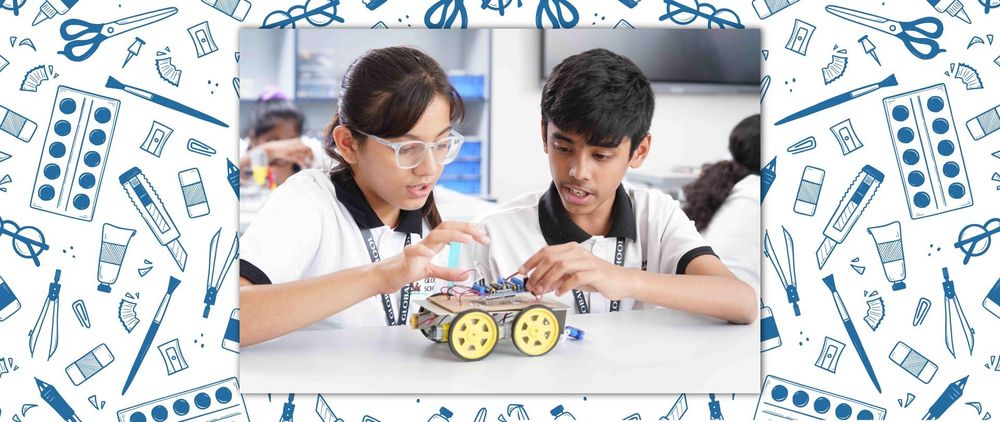
Gone are the days of chalk-and-talk classrooms. At Aachi Global School (AGS), education takes a forward leap with innovative teaching methods that equip students for a fast-changing world.
Blending creativity with technology, AGS offers a glimpse into future-focused learning through smart classrooms, tech-driven labs, and creative spaces that nurture curiosity and critical thinking.
These thoughtfully designed environments are just a preview of the many advanced amenities that support academic and personal growth.
In this blog, we’ll take a closer look at how AGS redefines the best method of teaching to inspire, engage, and empower every learner.
Unlock your child’s true potential with Aachi Global School’s creative teaching methods. Admissions open for 2025–2026—enrol now to begin a journey of inspired and holistic learning!
Suggested Read: Importance of Education for Students
What Is Teaching Methodology in Schools and How Has Innovative Teaching Evolved Recently?
Teaching methodology in schools refers to the innovative teaching strategies and techniques educators use to facilitate learning. These new teaching methods aim to engage students and cater to their diverse learning styles. Traditional teaching methods, such as lectures and rote memorisation, focused on passive learning.
However, innovative teaching practices have evolved to prioritise student-centred learning, promoting critical thinking, problem-solving, and creativity. In recent years, the top international schools in Chennai, like Aachi Global School, have embraced a variety of innovative teaching methods to be used in the classroom, such as smart classrooms and digital integration.
These new teaching techniques encourage collaboration, independent research, and the use of technology to enhance understanding. The incorporation of interactive tools and multimedia resources has transformed the learning experience, making it more engaging and relevant to today’s digital-native students.
Furthermore, personalised learning is becoming more prevalent, recognising that each student has unique needs and paces of learning. This evolution in teaching methodology ensures that education remains adaptable and prepares students for a rapidly changing world, equipping them with the skills they need for the future.
At Aachi Global School, innovative teaching techniques are at the core of learning. With a focus on holistic development, our school empowers students through creative, tech-driven, and inquiry-based education practices that inspire lifelong learning.
Suggested Read: Best International Schools in Chennai
List of Innovative Teaching Methods at AGS That Inspire Young Minds
⏩ Smart Classrooms – Learning Comes Alive with Technology
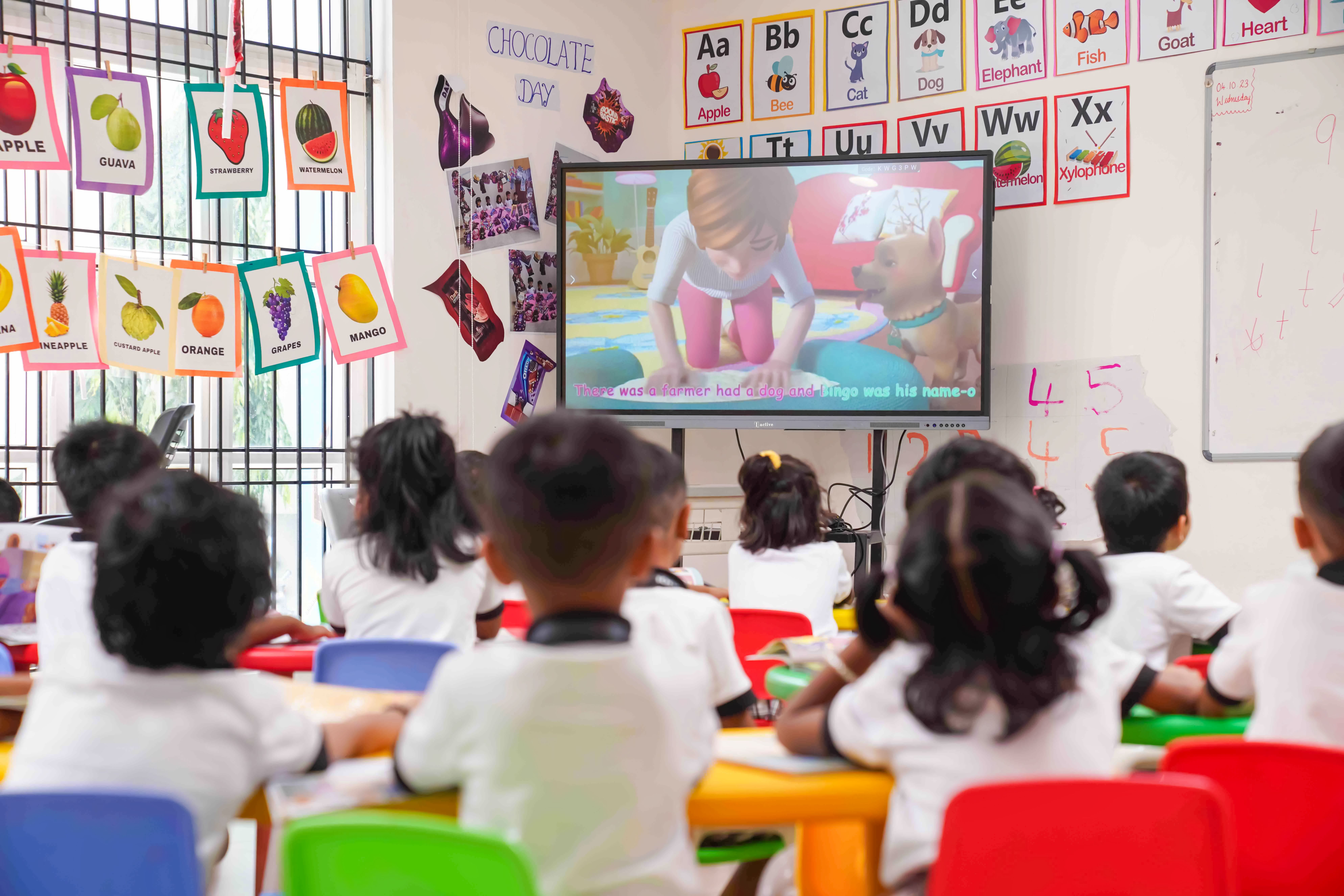
Our smart classrooms use interactive boards and digital tools to create dynamic, engaging lessons. This environment promotes better concept clarity and retention, reflecting a new teaching technique that brings subjects to life across all grade levels.
Suggested Read: What is a Smart Classroom?
⏩ AI & Robotics Lab – Building Future Innovators Today
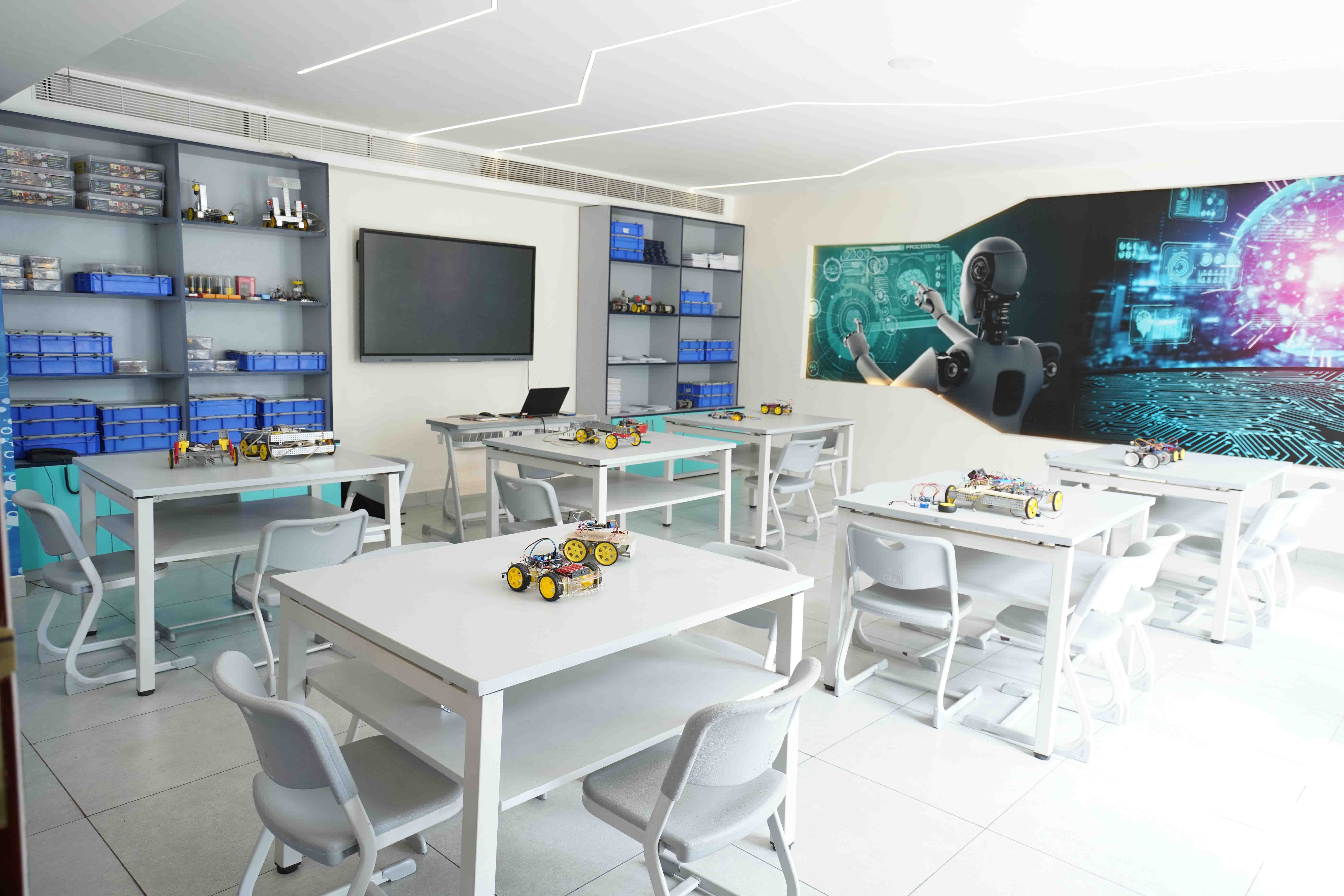
At AGS, the AI & Robotics Lab offers students early exposure to future technologies. Through practical exploration and guided projects, we foster creativity and critical thinking using innovative teaching methods tailored for the tech-driven world.
⏩ Think Lab – Where Ideas Turn Into Impact
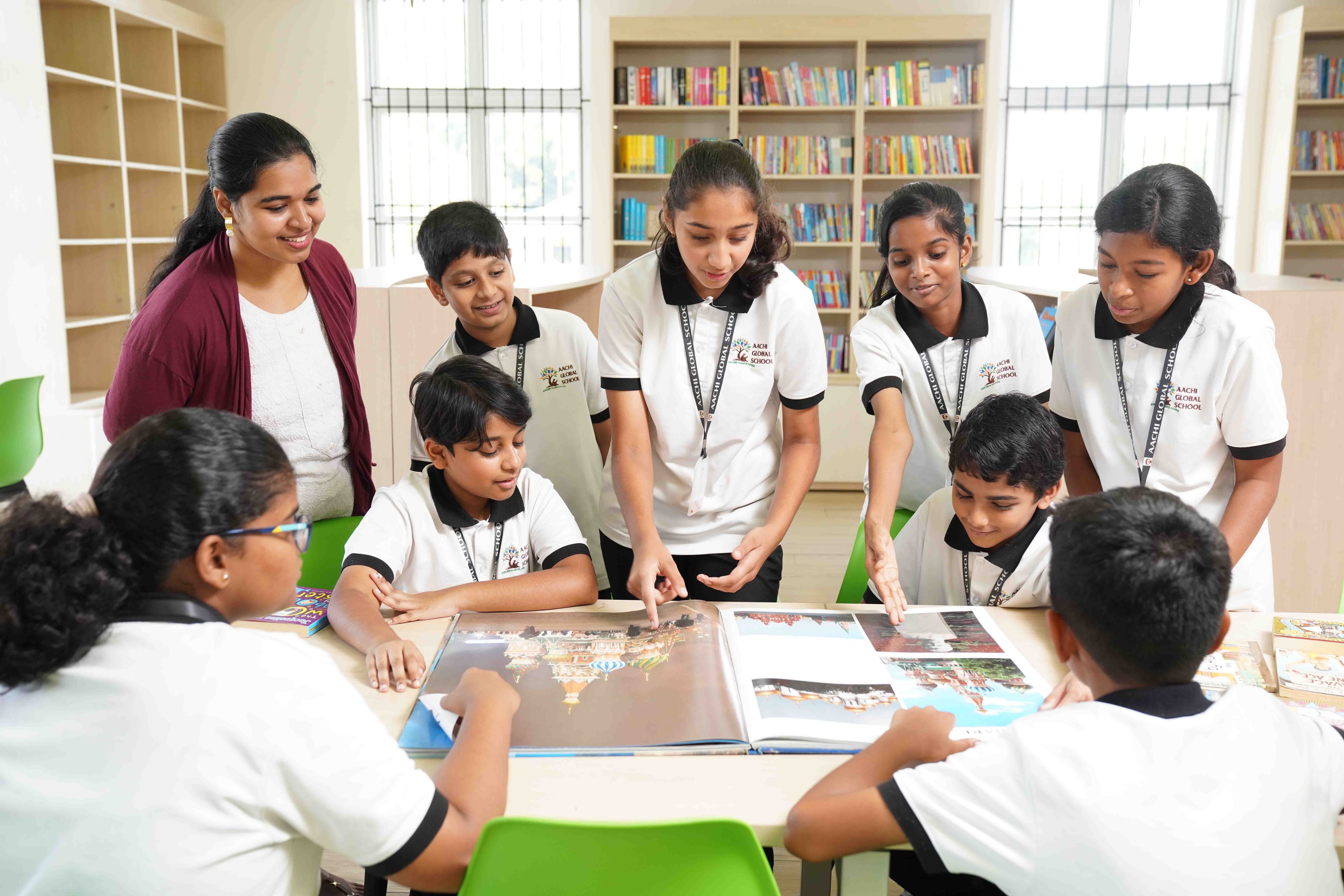
The Think Lab at AGS encourages collaboration, creativity, and problem-solving. By engaging students in real-world projects, we promote innovative teaching strategies that truly nurture independent thinking and help learners turn concepts into tangible solutions.
⏩ Hi-Tech Library – Gateway to Global Knowledge
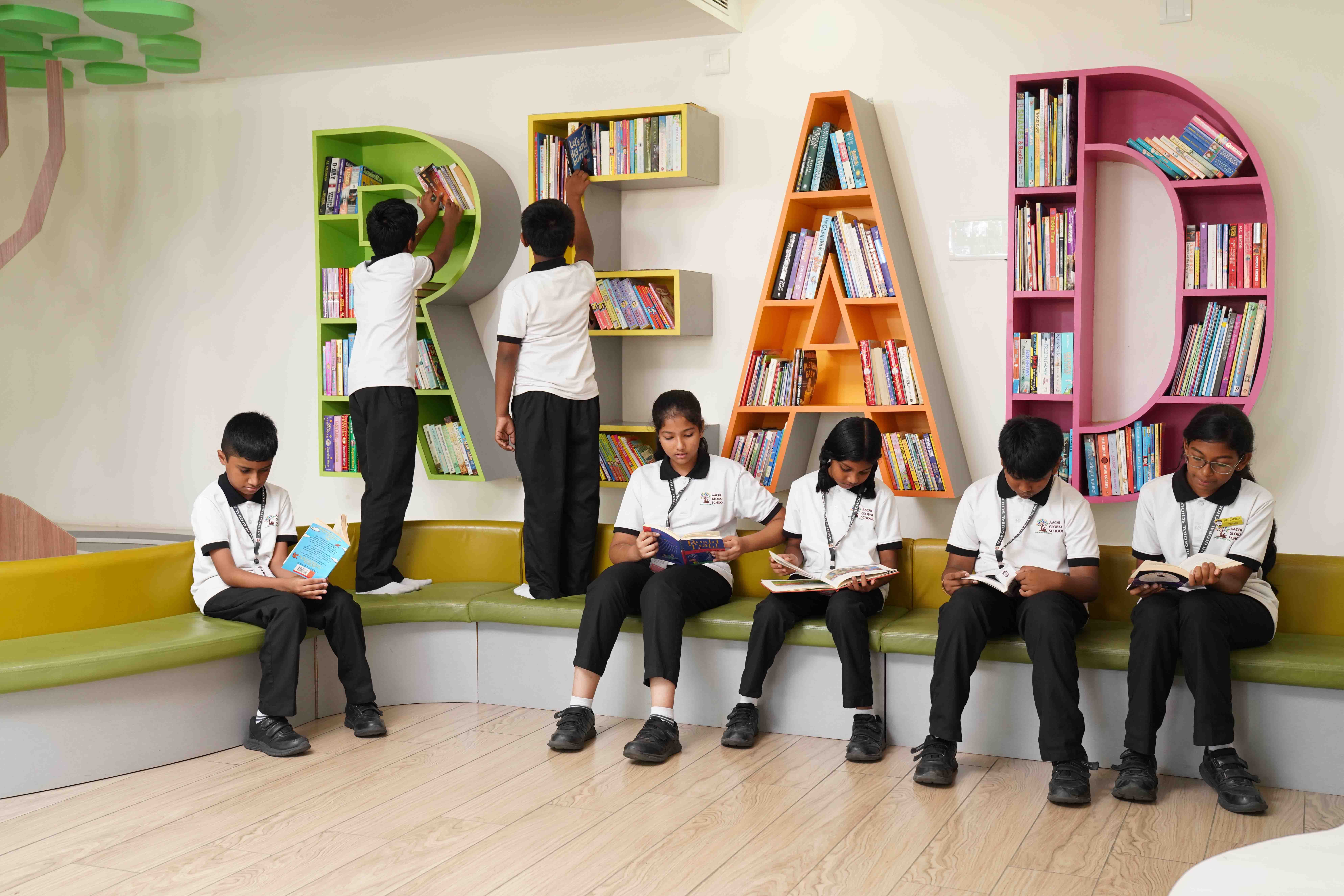
Our hi-tech library blends traditional reading with digital access to global resources. Supporting both research and self-learning, this space enhances academic exploration through creative teaching methods focused on inquiry and critical analysis.
⏩ Science Laboratories – Learning by Experimentation
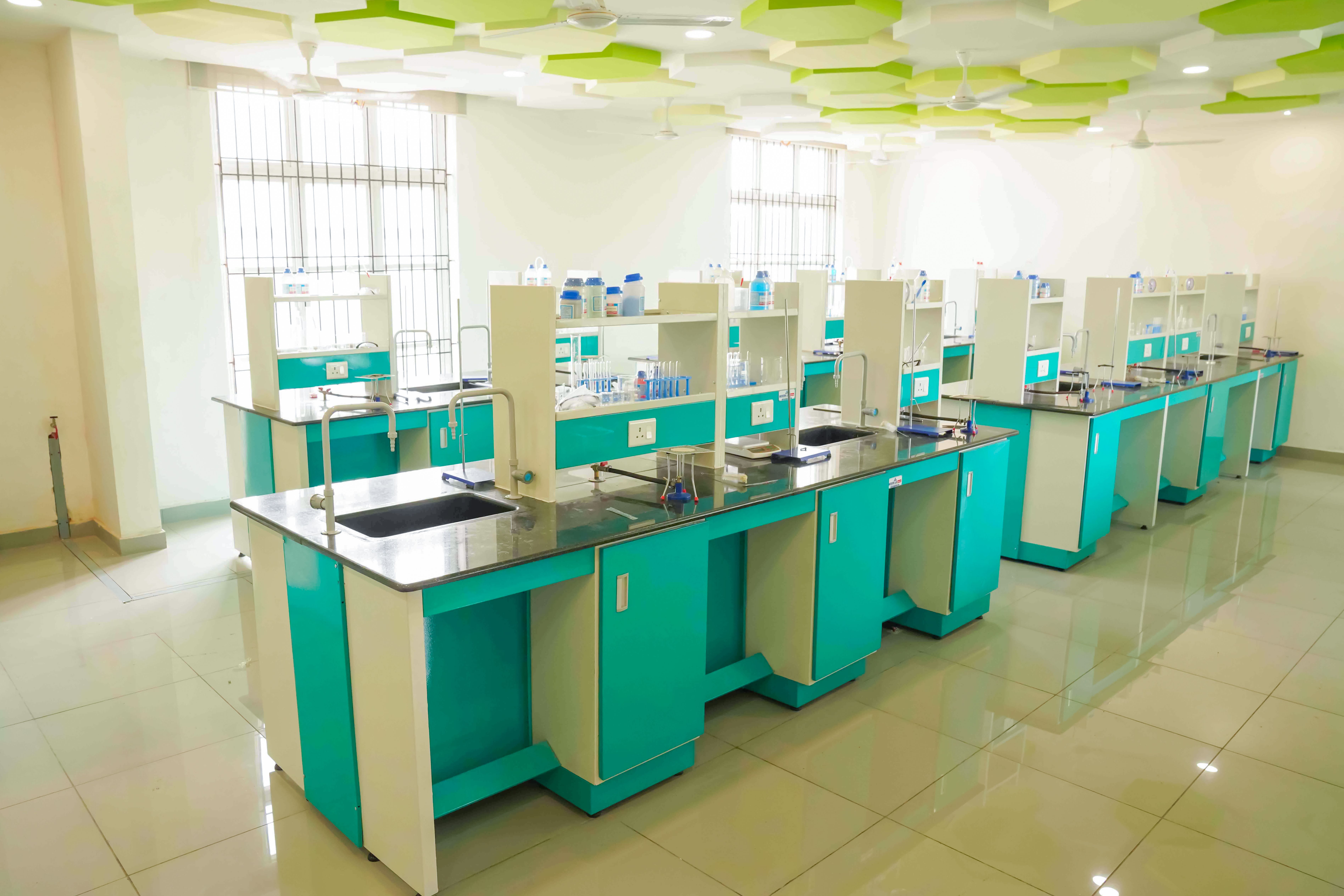
Fully equipped labs for biology, chemistry, and physics allow students to experiment and explore. These hands-on experiences reflect the best method of teaching that combines theoretical knowledge with practical application for deeper understanding.
⏩ Creative Arts & Performance – Express, Create, Inspire
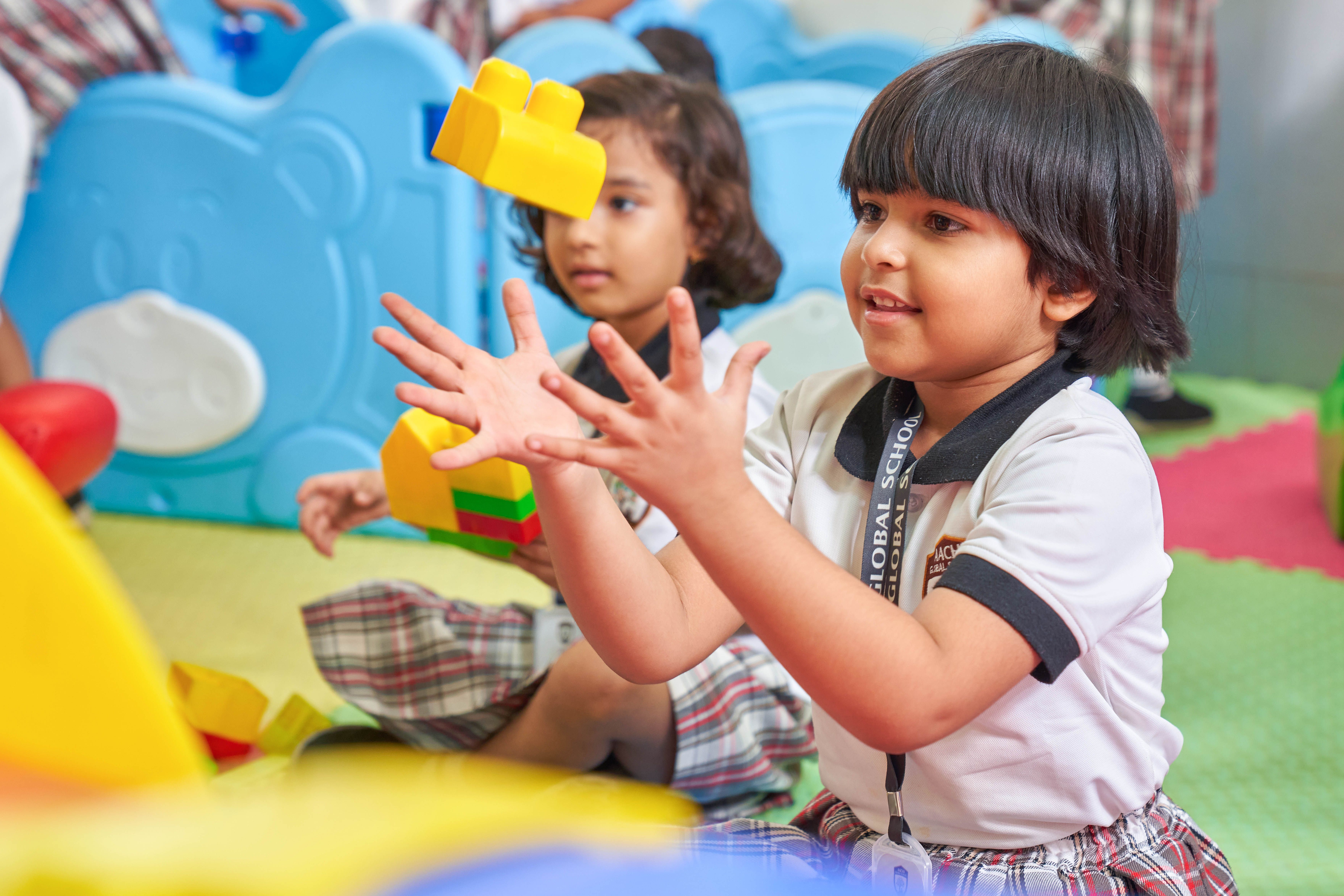
Art, music, dance, and drama thrive in dedicated spaces at AGS. These environments empower students to express themselves while enriching our curriculum with innovative teaching ideas that support emotional and cultural development.
⏩ Sports & Outdoor Learning – Play, Explore, Grow
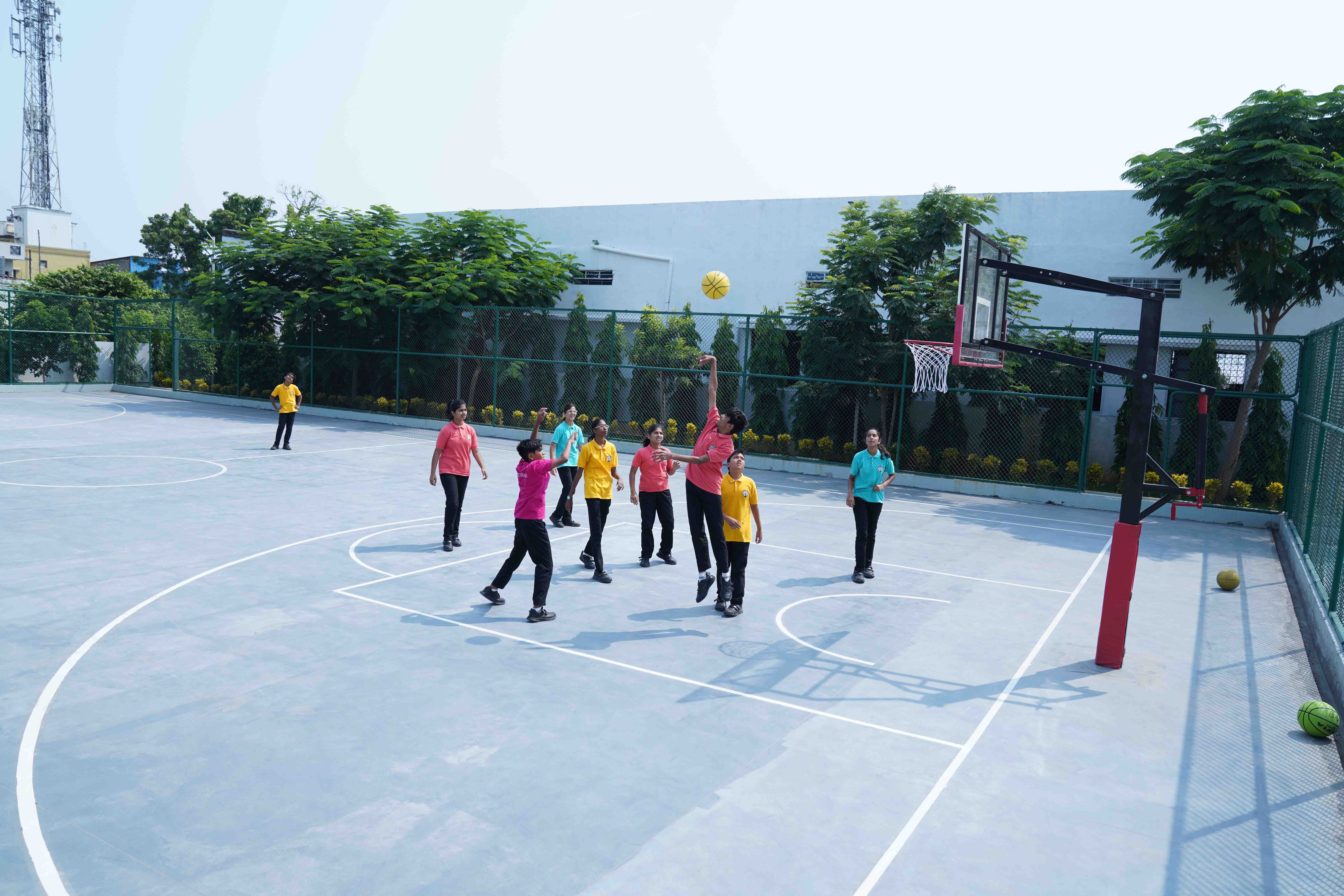
From football fields to nature-based activities, our outdoor learning areas encourage movement, teamwork, and play. These experiences form part of innovative teaching practices that contribute to physical wellness and holistic development.
Suggested Read: Role of Technology in Modern Education
Advantages of Innovative Teaching Methods for Curious Young Minds
Facility/Amenity | Purpose/Benefit |
Smart Classrooms | Interactive, tech-enabled learning |
AI & Robotics Lab | Early exposure to AI, robotics, and problem-solving |
Think Lab | Innovation, collaboration, and project-based learning |
Hi-Tech Library | Digital resources for research and personalised study |
Science Labs | Hands-on, inquiry-based science education |
ICT Lab | Digital literacy and tech skills development |
Creative Arts Studios | Artistic expression and creativity |
Sports Facilities | Physical fitness, teamwork, and holistic growth |
➞ Fosters Lifelong Learning and Curiosity
Creative teaching methods ignite curiosity, encouraging students to explore beyond textbooks. By promoting a growth mindset, educators inspire a passion for continuous learning, empowering students to develop skills for lifelong knowledge and personal growth.
➞ Enhances Student Engagement
Interactive activities and practical examples make learning more engaging. These innovative teaching methods captivate students’ attention, helping them connect with the material, leading to better understanding, improved retention, and long-term recall of concepts for academic success.
➞ Encourages Collaboration and Communication
Incorporating group projects, peer reviews, and discussions promotes teamwork. These new teaching techniques build essential communication and collaboration skills, preparing students for both academic challenges and professional environments where working effectively with others is key to success.
➞ Equips Students with Future-Ready Skills
Integrating technology in teaching helps students develop vital digital skills. Through the use of online tools and virtual platforms, students gain the expertise needed for the future, ensuring they are well-prepared to navigate a tech-driven world.
Conclusion
At Aachi Global School, innovation is not just a teaching method—it’s a mindset that shapes every aspect of learning.
By blending technology, creativity, and personalised innovative teaching strategies, AGS ensures that students are not only academically prepared but also equipped with the essential skills for life beyond the classroom.
We redefine traditional instruction by creating a vibrant, student-centric environment where curiosity is encouraged, talents are nurtured, and critical thinking becomes second nature. Join a school that doesn’t just follow trends—but sets them.
Give your child a head start toward academic success at AGS. Admissions for the 2025–2026 academic year at AGS are now open. With campuses in Anna Nagar and Ayanambakkam, we combine innovative teaching methods with a values-based approach to education. ENROL NOW!
To learn more or to enrol your child, contact us at (+91) 77088 56789 or (+91) 73388 56789 or email us at info@aachiglobalschool.com.
Stay informed and inspired—explore our blog section for educational trends and topics.
FAQs on Innovative Teaching Methods
1. What Is Teaching Methodology?
Teaching methodology refers to the innovative teaching strategies and approaches used by educators to facilitate learning. It includes techniques, tools, and principles designed to enhance student engagement and knowledge retention.
2. What Are Innovative Teaching Methods?
Creative teaching methods engage students through interactive learning, technology integration, and unique approaches like project-based learning, smart classrooms, and gamification, enhancing knowledge retention and fostering critical thinking skills.
3. What Is Innovative Teaching Based On?
Innovative teaching is generally based on engaging students actively, promoting critical thinking, using technology, and adapting learning methods to diverse needs. It fosters creativity, collaboration, and encourages problem-solving for real-world applications.
4. What Is the Main Goal of an Innovative Teaching Method?
The main goal of such innovative teaching practices is to enhance student engagement, foster critical thinking, and promote active learning through creative, technology-driven, and personalised teaching strategies.
5. Why Are Innovative Teaching Strategies Important?
Innovative teaching techniques are crucial for engaging students, enhancing learning outcomes, fostering creativity, and adapting to diverse learning styles, ultimately preparing students for success in a rapidly evolving world.
6. How Do Innovative Teaching Strategies Improve Students' Performance?
Innovative teaching ideas, like smart classrooms, enhance student engagement and comprehension. For example, using interactive quizzes in class helps students retain information better than traditional lectures.
7. What Are the Advantages of Innovative Teaching Methods?
The best benefits of new teaching techniques are given below:
> Enhances student engagement
> Promotes critical thinking
> Encourages creativity
> Increases retention of knowledge
> Supports personalised learning
> Fosters collaboration
> Improves problem-solving skills
> Integrates technology effectively
> Encourages real-world applications
> Builds global competency
8. What Are the Different Types of Innovative Teaching Methods at AGS?
At AGS, Smart Classrooms use interactive technology to engage students. The AI & Robotics Lab encourages creativity and critical thinking. The Think Lab fosters problem-solving and independent learning. The Hi-Tech Library provides global learning resources. Science Labs offer hands-on experiments. The ICT Lab builds essential digital skills. Creative Arts and Outdoor Learning promote holistic development.